How to kill bacteria in water
More bacteria thrive in water because they need water to survive. We can use the following methods to kill bacteria like Novato in water supplies.
These are CHEMICAL ways to kill bacteria.
To kill bacteria in the drinking water supply, boil the water. This is the easiest and safest way to drink water.
Chlorination
Remember the smell of swimming pools? The water is purified by chlorination!
Chlorination is a sanitary procedure that adds chlorine or chlorine-based compounds as a disinfectant to kill bacteria (viruses and microorganisms) in water. Chlorine-based compounds are used as disinfectants, such as chlorine gas (), chlorine dioxide (), sodium hypochlorite (), and calcium hypochlorite (HK Labour Department, 2021).
Chlorine kills the bacteria by reacting with biomolecules to destroy the cell.
- Chlorine inactivates bacterial enzymes by reacting with sulfur-based and aromatic amino acids.
- Chlorine also attacks the bacterial cell wall by altering their bonds chemically.
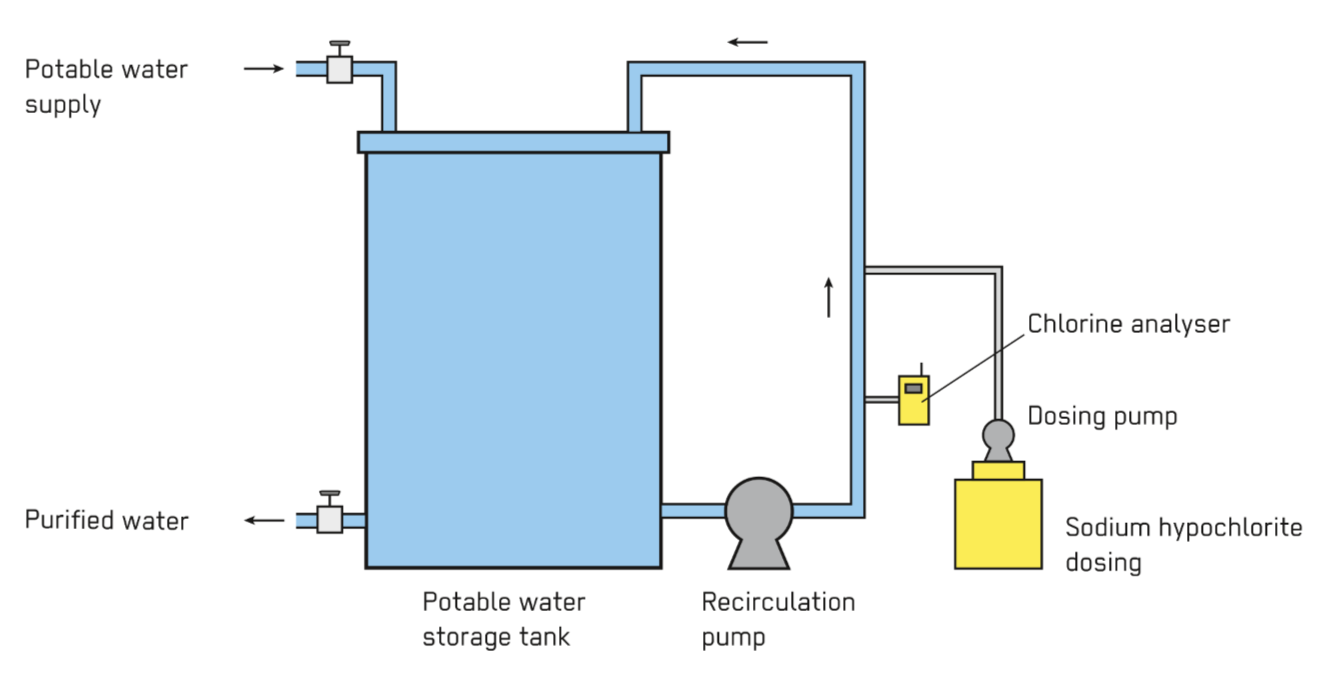 Image 1: Chlorination Structure (Water Supply Technologies in Emergencies EU)
In this chlorination plant, we will use sodium hypochlorite (). First, the "contaminated" water supply channels through the potable water storage tank (isolated), and the flow of water gets "a boost" by the recirculation pump. Then, the contaminated water travels through a pipe where sodium hypochlorite is injected, controlled by a controller, and monitored by the chlorine analyzer. The purified water circulates back up to the potable water storage tank, ready for consumption.
Ozone Treatment
With the help of UV rays or electrical fields, are turned into (ozone) for disinfection. Just like chlorination, ozone is injected into the water supply to purify the water supply.
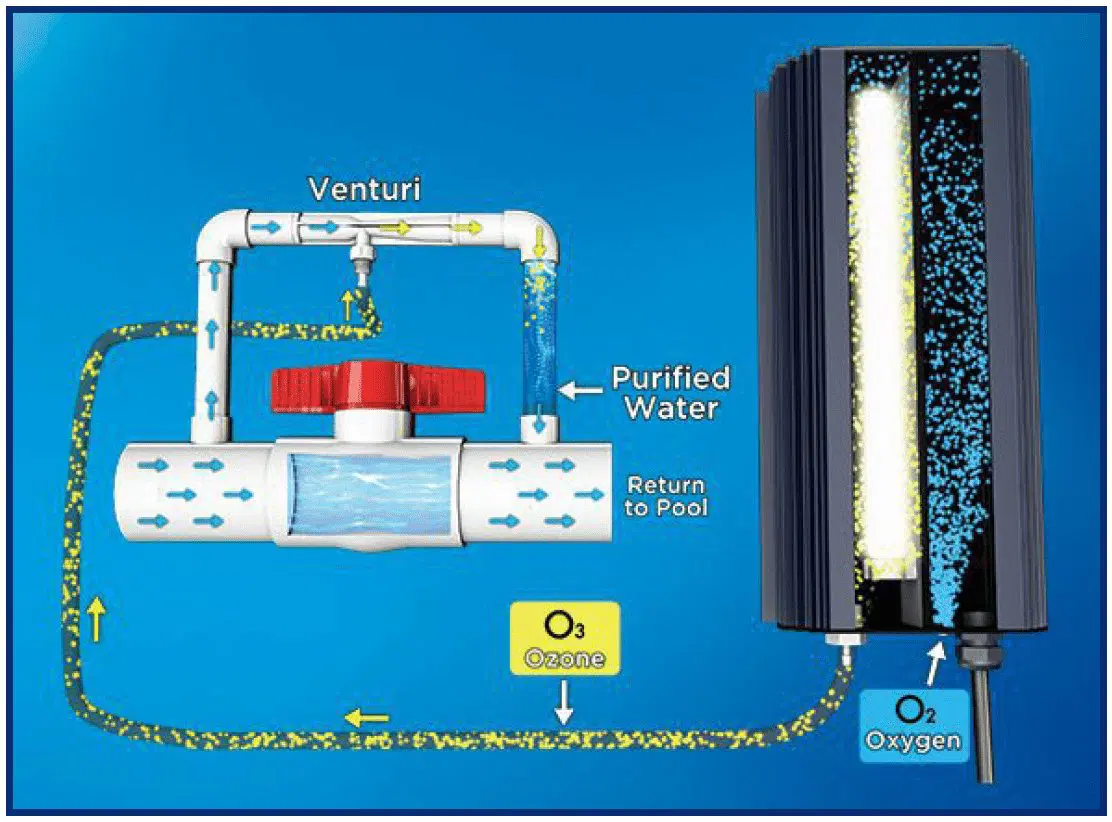 Image 2: Ozone Treatment (pool)
Ozone can also kill bacteria like chlorine, making it a great alternative because its smell is less pungent.
Ozone smells better than chlorine and is generated on-site (no chlorine tanks needed!). However, the cost of buying and operating an ozone generator is much higher than that of chlorination.
Environmental impact of the chemical used to kill bacteria in water
Since this treatment kills bacteria cells, it also kills organisms like fish, plants, corals, etc. If this purified water is released back into the ocean (both directly or indirectly), fishes, plants, and corals are more prone to sickness and death (or coral bleaching) due to the increasing toxic chlorine content.