Analyze Bacteria
We can analyze a bacteria by either analyzing its structure or using tests to test its properties.
Microscope Analysis procedure
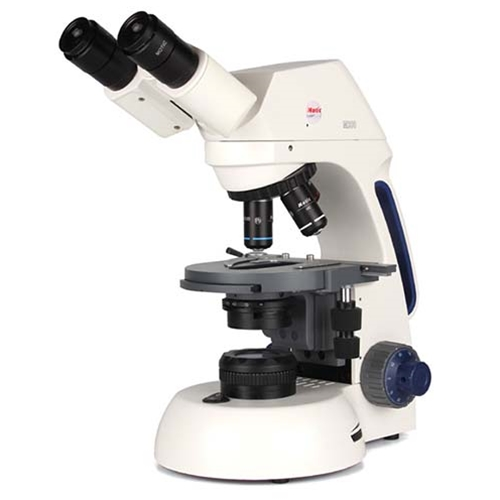
Image 1: Compound Microscope (Amazon, n.d.)
Setting Up a Microscope
First, you need to unwrap or unbox the microscope correctly without damaging any parts. Make sure to place the microscope on a flat surface before using it. Next, plug in the power and turn on the bulb. If any components are misplaced, make sure to revert them to their original position.
Next, you need to prepare the slide containing the sample. First, take a glass slide and place the sample on the slide. Next, add a stainer for an easier view of the sample. Stainers such as iodine, safranin, and crystal violet are commonly used in the lab. After applying the stainer, place the coverslip at a angle to prevent air pockets. Finally, absorb additional water droplets located on the slide of the coverslip using the sharp edges of tissue paper.
Place the sample slide on the stage and clip it in position. Move the stage along both axes until the sample aligns with the objective lens. Put the eyepiece in place and select your ideal magnification by turning to the corresponding objective lens.
Last but not least, adjust the focus using the coarse adjustment knob until you see a clear image. You can further refine the image by turning the fine adjustment knob.
You must use oil between the 100x objective lens and the sample.
When using the 100x objective lens, use the fine adjustment knob only to prevent the glass to shatter.
Observation and Analysis
You can analyze the bacteria by observing its structure, shape, and special features, such as whether it has a flagellum or not.
You can make inferences about a bacteria's structure, shape, and special features based on your observations (make sure to use previous knowledge and extra research).
Most organelles are too small to be seen in a compound microscope. In this case, you need to use a scanning electron microscope.
Tests
Chemical tests can be used to test a bacteria's properties. For example, the gram-staining test can be used to determine whether the bacteria is gram-negative or gram-positive.
For more information about gram-staining test, please click here.