Bacteria Structure
Introduction
To fight Novato, a bacteria, we need to first understand the fundamental structure of bacteria. Let us take a look at the following diagram of a typical bacteria structure (Adobe Stock, n.d.):
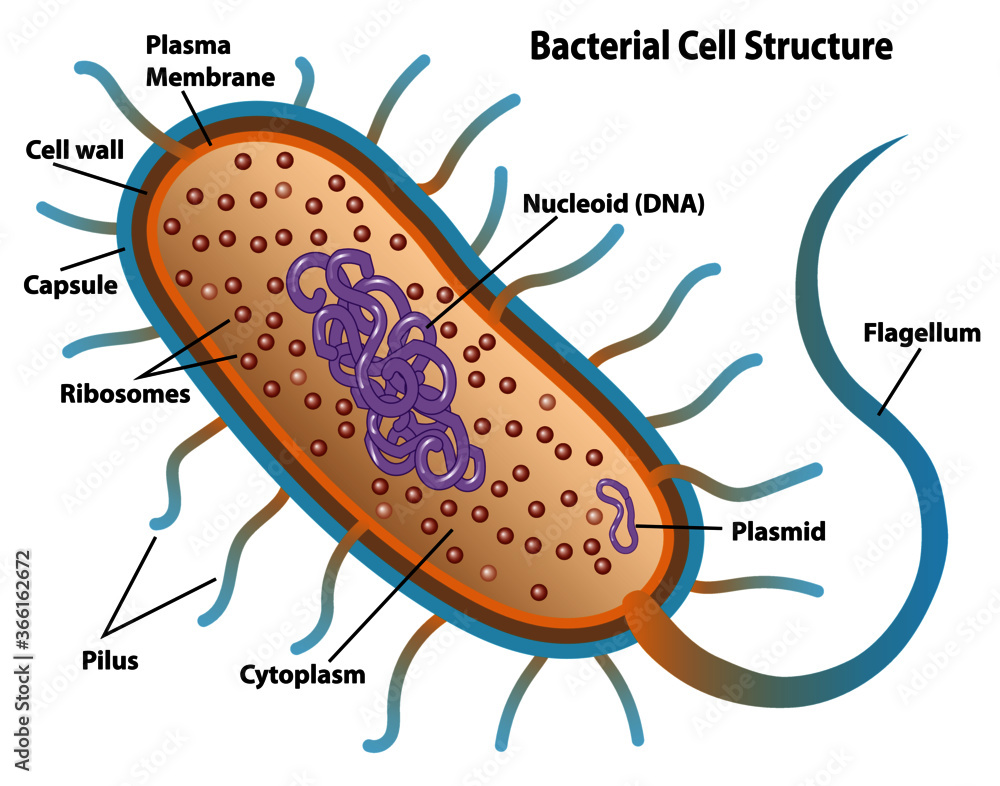
Image 1: Bacteria Cell Structure Diagram (Pixelrz, n.d.)
The Structures
There are nine main structures in a typical bacteria.
Flagellum
The flagellum is a bacterium's flagship feature. It is a bacteria's "tail" part, which acts as a locomotion organelle. The flagellum provides forward momentum for the bacteria's movement by attaching to the end of the bacteria with a molecular motor.
Just like an electrical motor, the molecular motor yields rotation, rotating the flagellum to propel the bacteria forward. The motor comprises proteins and nucleic acids arranged regularly.
Not all bacteria have a tail. Most tail-less bacteria are cocci bacteria.
Pilus
Pilus are hair-like protein structures that function similarly to octopus legs. They extend beyond the cell surface but have roots in the inner cell membrane (plasma membrane).
They are used for sticking to surfaces and specific cells to keep the bacteria from being washed away. In addition, pilus is also used to keep off bacteriophages.
Bacteriophages are viruses targeted at bacteria (New antibiotic coming up?). They look like sci-fi movie tech spiders.
Plasmid
Plasmids are double-stranded circular DNA molecules that carry the genetic information for copying chromosomes and creating antibiotic resistance. They are not regular chromosomes found in the nucleus.
Cytoplasm
Cytoplasm is a gel-like structure that fills all the bacteria's unoccupied spaces. It is used as a filler and working site.
The working site is mainly used for metabolism and DNA replication.
DNA (Nucleoid)
DNA or Deoxyribonucleic acid are double-stranded DNA molecules that carry genetic material for constructing the bacteria.
DNA are long curled up strands, while Plasmids are circular strands.
Cell Wall
The bacteria cell wall is made of a special substance called peptidoglycan. Peptidoglycan is a kind of polysaccharide made up of two other glucose substances: N-acetylglucosamine (NAG) and N-acetylmuramic acid (NAM). Each peptidoglycan is arranged in a long chain across the entire bacteria surface.
There are two types of cell wall:
- Gram-Positive
- Gram-Negative
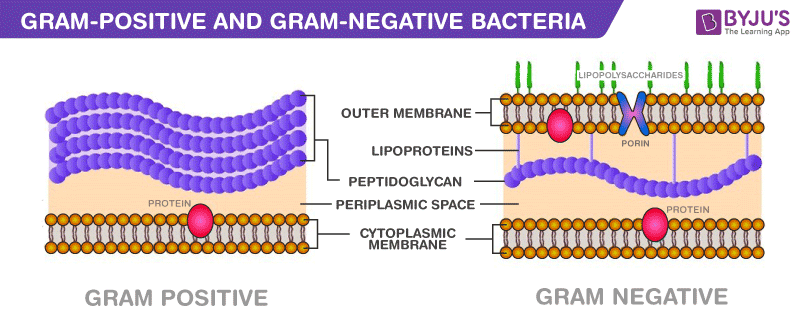
Image 2: Bacteria Cell Wall and Cell Membrane (Byjus, n.d.)
Gram-positive bacteria's cell walls are arranged on top of an inner membrane without an outer membrane.
Gram-negative bacteria's cell walls are arranged on top of an inner membrane, but they also have an additional layer of outer membrane topped with lipopolysaccharide (LPS). However, gram-negative bacteria have thinner peptidoglycan layers.
More about gram-positive and gram-negative will be discussed in the next chapter.
Ribosomes
Ribosomes are "factories" made of ribosomal RNA (rRNA) proteins for protein synthesis. This process links messenger RNA (mRNA) in a specific order to produce polypeptide chains, which then fold into proteins for specific usage.
For example, peptidoglycan, the cell wall substance, is made using the ribosomes! (Nature, n.d.).
Capsule
The capsule is a suspension layer that protects and absorbs nutrients for the cell. It is made of polysaccharides, polymers of simple sugars.
The capsule is hydrophilic or water-loving, which helps the bacteria avoid dehydration by preventing water loss and absorbing water.
Cell membrane
Cell membranes or plasma membranes regulate substance movement in and out of the cell. They are selectively permeable barriers that "approve" certain nutrients and molecules to enter and exit the bacteria. These include waste excretion, respiration, photosynthesis, and nutrient acquisition (Britannica, 2024).
It also defines the bacteria's size. More about this organelles in the binary fission section.
Gram-positive bacteria have an inner membrane but NOT an outer membrane.
Gram-negative bacteria have an inner membrane AND an outer membrane.
More details
To learn more about bacteria's functionality and structure, there is a nice 1 hour long video I found on YouTube.