Bacterial Enzyme
Enzymes are proteins used to speed up metabolic reactions (chemical reactions).
Here is an analogy for enzymes. Treat enzymes as an industrial machine. For example, it takes centuries to slice a piece of wood in half using your hand. However, when you use a chainsaw, the wood splits in half instantly. In this case, the chainsaw is the enzyme.
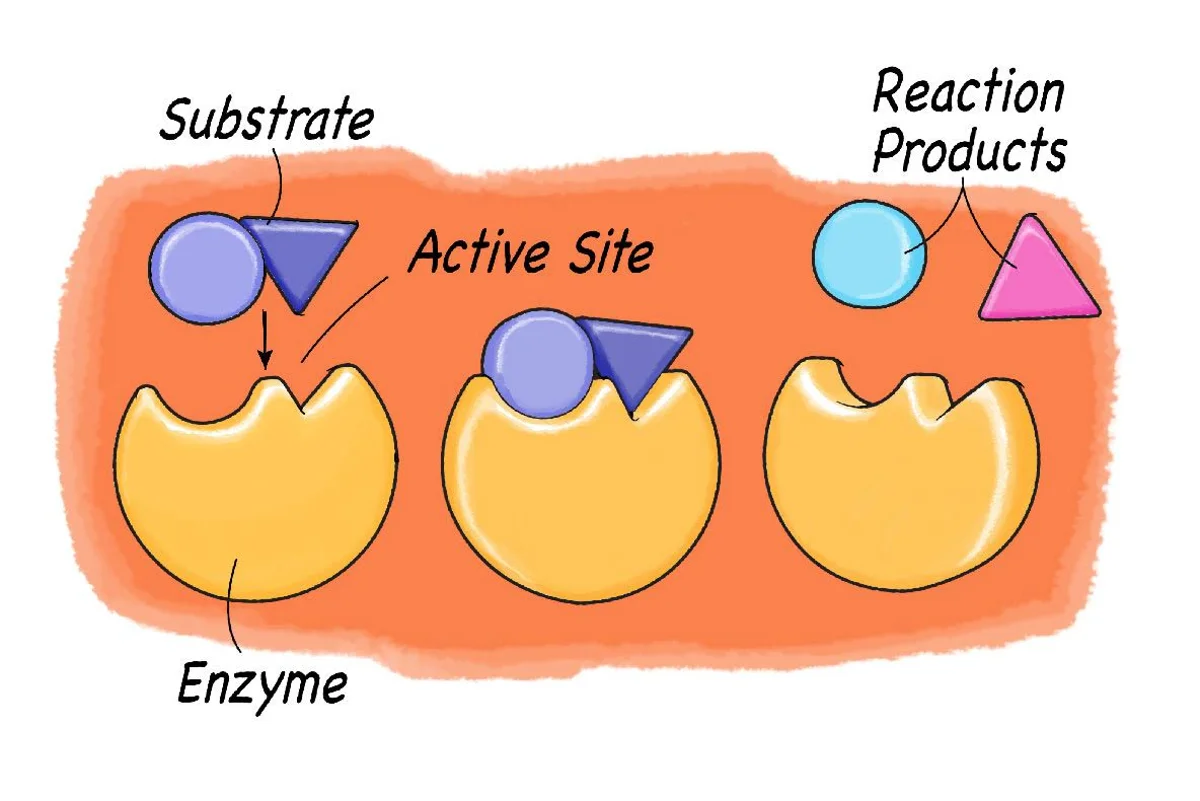 Image 1: Enyzme Diagram (Scientific American, 2016)
How Enzyme Work
More formally, enzymes lower the chemical reaction's activation energy, speeding up the metabolism rate. The substrate (s) binds to the enzyme's active site to form the enzyme-substrate complex. Then, the enzyme catalyzes and releases new product (s).
The enzyme can combine or separate the substrate.
Enzymes are made specifically for one type of metabolic reaction as the active site is unique.
What are enzymes How enzymes work (the structure and basic stuff) Where and what enzymes are in bacteria
Bacterial Enzymes
A bacterium has many enzymes. For example, polymerases are used for DNA replication, glycosylase forms the glycosidic bonds (in the peptidoglycan layer), and translocase assists the movement of ions.
Denature
Enzymes do not "die". Instead, they denature primarily due to extreme pH and high temperature.
Usually, an enzyme denatures because the active site is destroyed, which implies that no substrate can fit into the active site to perform metabolism.
An inhibitor can also stop the enzyme's function. The first is a competitive inhibitor, which blocks the active site to prevent metabolism. The second is a non-competitive inhibitor, which fits in a special slot that alters the enzyme structure.
Temperature
Here is a simple graph on how temperature affects the rate of enzyme activity:
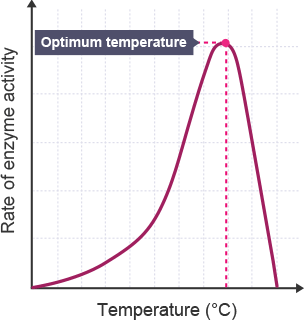
Image 2: Enzyme Activity and Temperature Graph (Byjus, n.d.)
When the temperature is low (at the front of the graph), the metabolic reaction rate is slowed down because there is less molecular movement. Molecular movement works similarly to gas. Molecules move faster in high temperatures because there is more energy, and they move slower in high temperatures because there is less energy.
When the temperature is at the enzyme's optimum (the highest point of the graph), the rate of metabolism is the highest because there is enough molecular movement (energy) to maximize the reaction while not destroying the enzyme.
When the temperature is high (at the end of the graph), the enzyme denatures because there is too much molecular movement (energy). High-speed molecules destroy the enzyme by bumping into its active site with a lot of energy.
pH
Here is a simple graph on how pH affects the rate of enzyme activity:
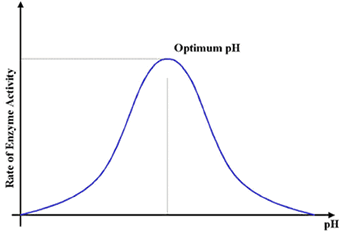
Image 3: Enzyme Activity and pH Graph (A Level Notes, n.d.)
Extreme acidic and alkaline conditions denature the enzyme by altering the shape of the active site (located at the two ends of the graph).
The optimum pH is usually in the middle of the graph, representing the ideal pH for the enzyme to perform at its fullest.
Conclusion
Bacteria rely on enzymes and enzyme denatures because of extreme temperature and pH. Hence, we can alter the temperature and pH to kill bacteria.
This is a very brief introduction to how enzymes work. For more information, please visit Britannica.