Optimal Conditions
There are many different types of bacteria, and they all require different conditions to survive. Common survival conditions include temperature and pH.
When the environment exceeds these survival conditions, the bacteria are eradicated because of protein denature and organelle damage. More in the "Eradication" section.
Temperature
Like animals, temperature is a significant factor determining the types of bacteria. There are three main categories of bacteria regarding temperature: psychrophiles, mesophiles, and thermophiles. There are two more categories: hyperthermophilies and extreme-hyperthermophilies, surviving up to !
"-philie", you have seen this suffix many times now. It simply means "-loving". "thermo-philies" means the bacteria loves thermal or heat. These bacteria are evolved to grow optimally in specific conditions. Bacteria that grow in more extreme conditions are called extremophiles.
Psychrophile
Psychrophiles are bacteria that love colder temperatures. They usually live in (Britannica, 2024):
- Ice: averaging under
- Ocean water: averaging around
- Soil in temperate zones: averaging around .
Psychrophiles can survive as low as and up to . However, the optimal growth temperature is usually , which is still very cold compared to the more common pathogens found in animals (Britannica, 2024).
Most psychrophilic bacteria are gram-negative bacteria, which commonly serve as ocean biodegraders and biofertilizers to support the earth's ecosystem.
Mesophile
Mesophiles are bacteria that love moderate temperate. They usually live in (MSD Manual, n.d.):
- Soil: averaging to
- Animal body: averaging from to
- Human body: around
They can survive between and , and grow optimally from to (Britannica, 2024).
Mesophiles are the most common type of bacteria. They serve many functions in the ecosystem, including decomposition, fermentation, digestive systems, and the ecological balance we mentioned in the first chapter.
Thermophile
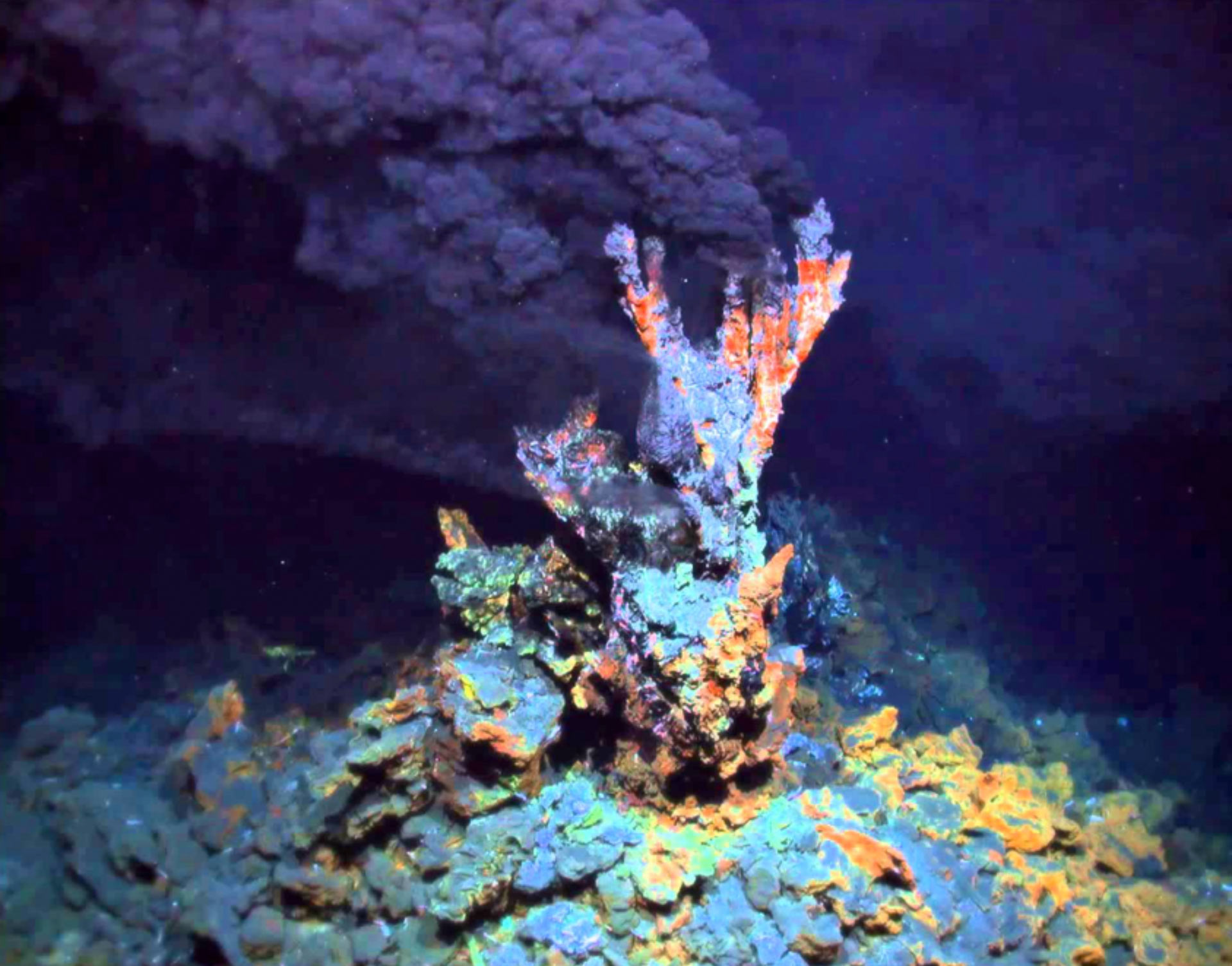 Image 1: Deep Sea Hydrothermal Vents (Sci.News, 2019)
Thermophiles are bacteria that love heat, hence "thermo-". They usually live in very cool areas like (Britannica, 2024):
Image 1: Deep Sea Hydrothermal Vents (Sci.News, 2019)
Thermophiles are bacteria that love heat, hence "thermo-". They usually live in very cool areas like (Britannica, 2024):
- Hot springs (They look so cool!)
- Deep-sea hydrothermal vents (very cool name and structure!)
- Volcanic areas
- Rotting compost piles
They can survive between and , and usually grow optimally at around . However, the temperature really depends on the bacteria. For example, bacteria living in nutrient-rich high-pressure deep sea vents can survive optimally at (Britannica, 2024)!
pH
Most bacteria including mesophiles survive between (Britannica, 2024).
Bacteria that love acidic conditions are called acidophiles, which survive between (Britannica, 2024).
Bacteria that love alkaline conditions are called alkaliphiles, which survive above (Britannica, 2024).
Oxygen
Unlike animals, not all bacteria require oxygen to survive.
Bacteria that require oxygen to grow are called aerobes.
Bacteria that do not require oxygen to grow are called anaerobes.
Moisture and Water
More moisture and water means more growth, as water is required for metabolic reactions.
Nutrient
More nutrients promote growth as chemicals are required for metabolic reactions.
Exceeding the Conditions?
What happens when the environment exceeds the bacteria's survival condition? Well, obviously they die, but how? We will get into that in the coming chapter.